Archive for the 'poverty' Category

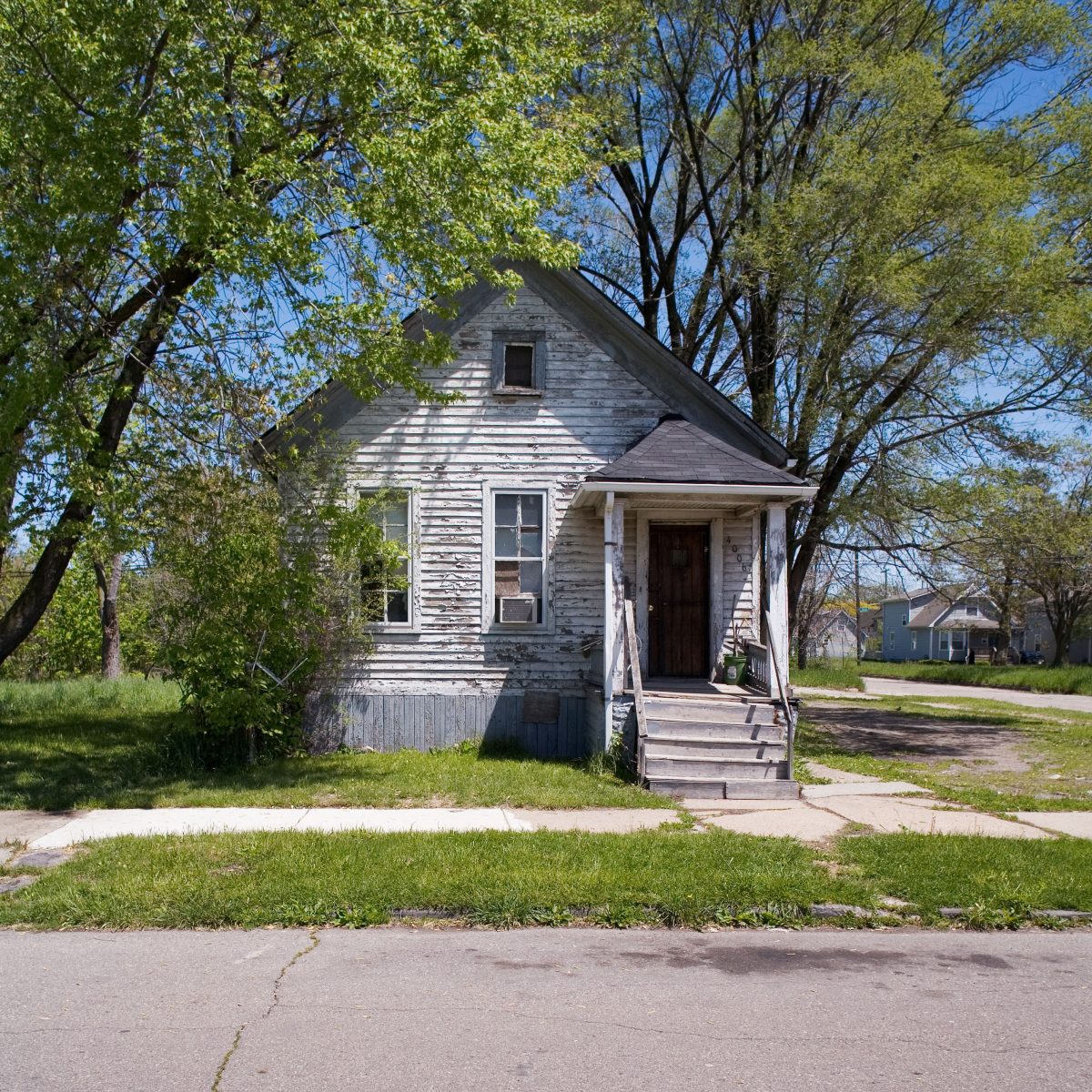
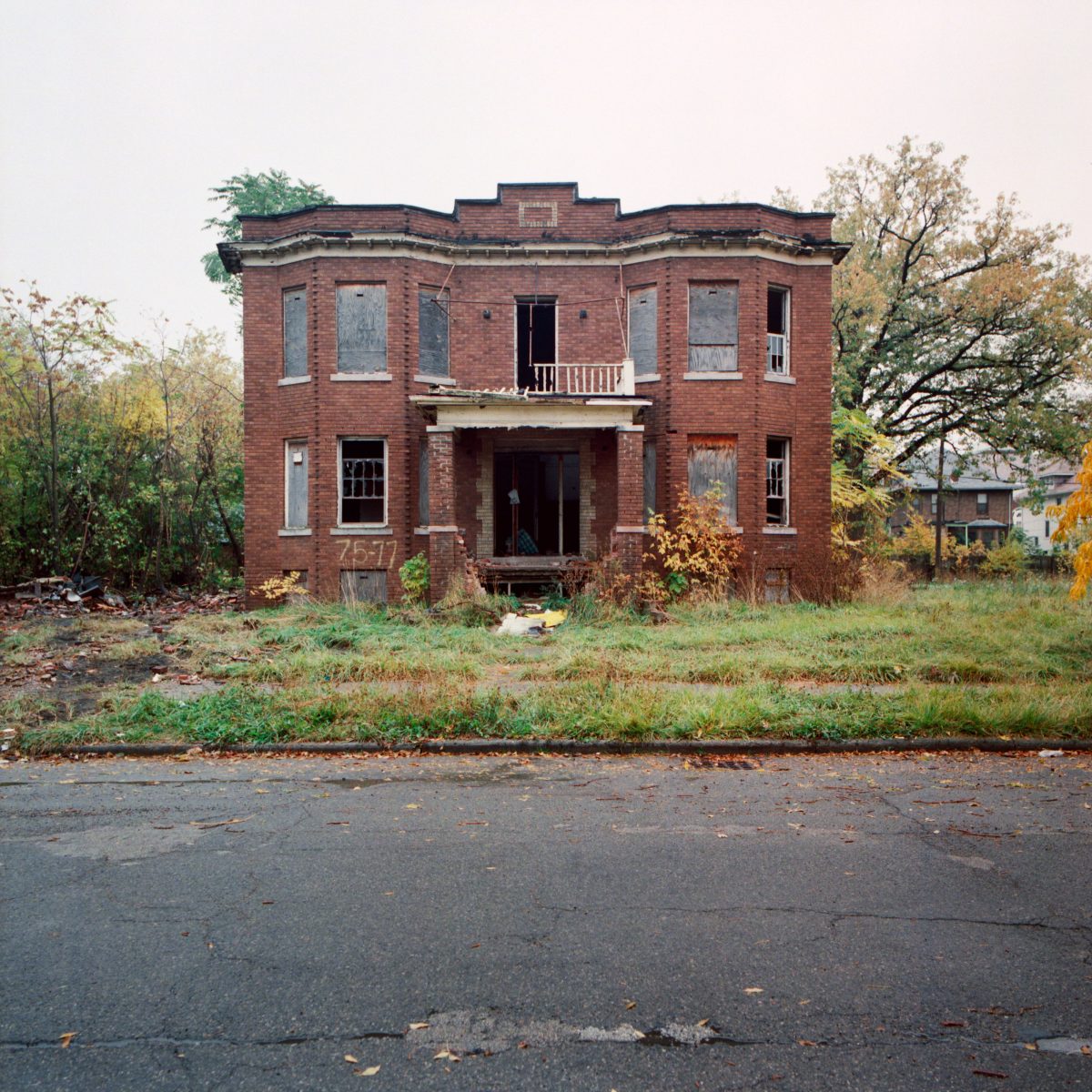
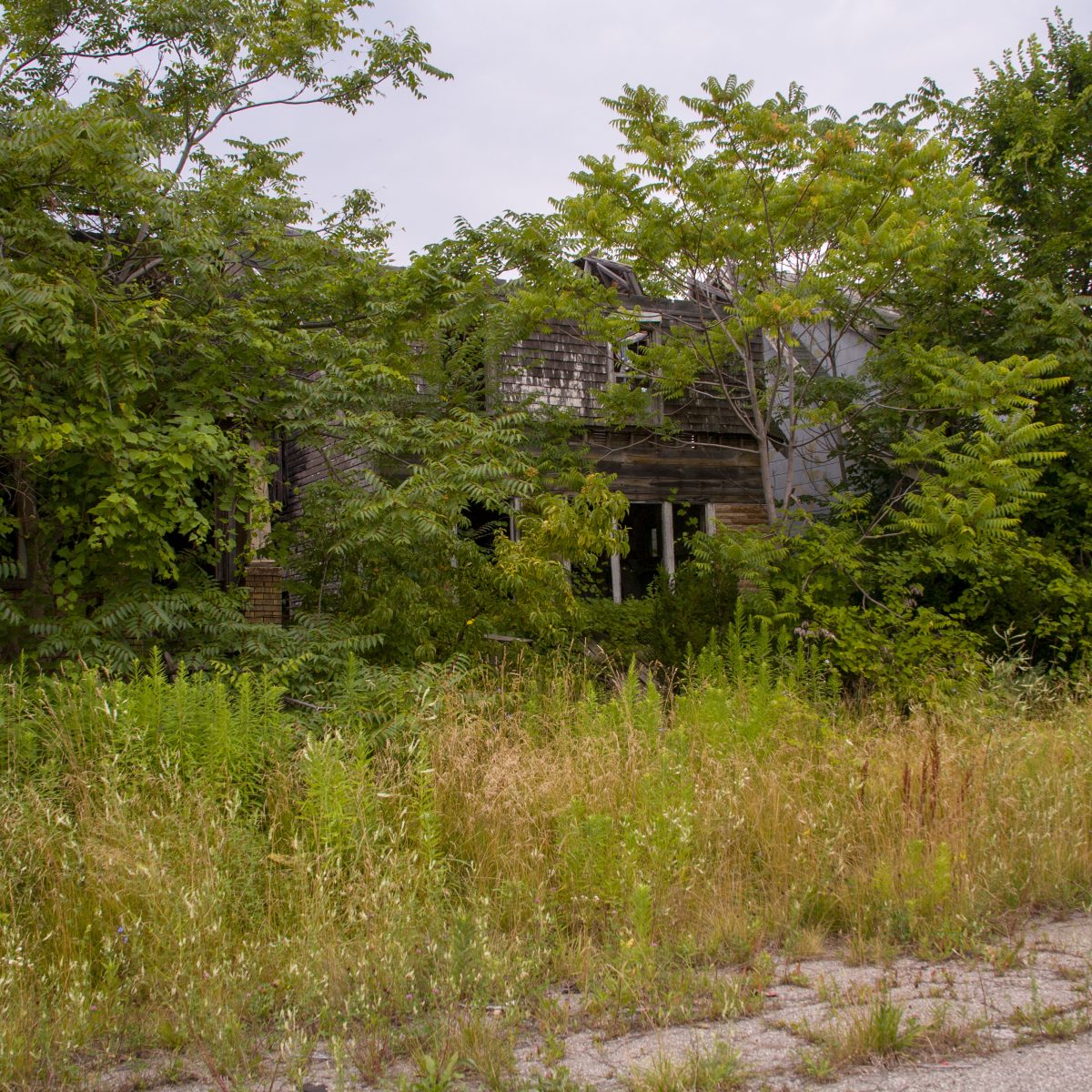
The abandoned neighborhood of the week
07200903_09.jpg

07200903_10.jpg

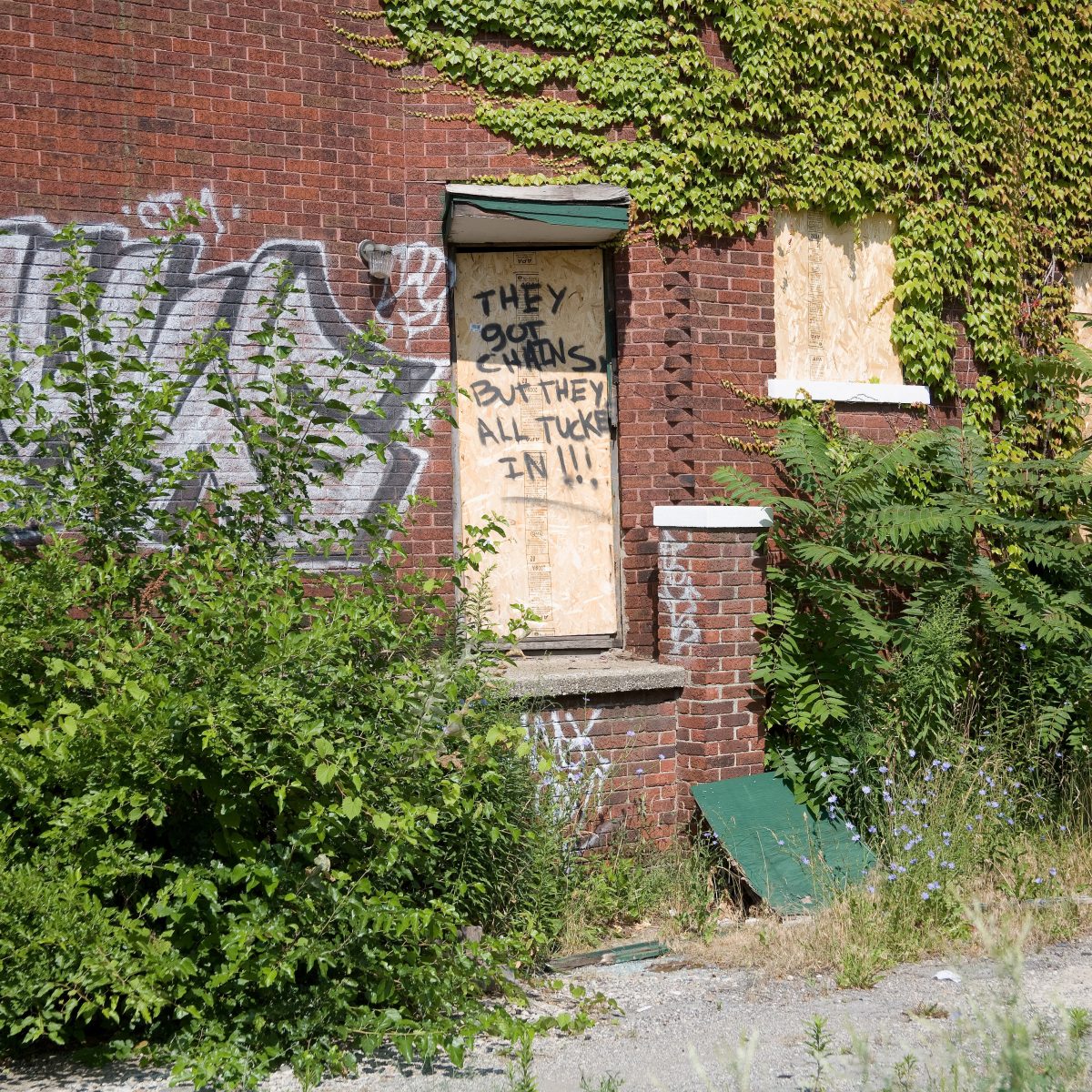
They got chains, but they all tucked in…
07162009_0029.jpg

More Detroit vs. The Media drama, and What Detroit has, what Detroit’s losing, and what Detroit needs
11240602_10.jpg

This was supposed to have been posted a week, or so, ago. But thanks to my old job, four days out of town, jury duty, and a new job to start, none of what’s here is new. But, since I went to the trouble to write it, I’m posting it anyway.

Detroit vs The Media

The drama never ends for Detroit. NBC hates Detroit, and now ABC as well. ABC’s new crime drama set in Detroit has got some all bent out of shape once again. As always there were some interesting comments including:
“Why must the media prortray Detroit is such a bad light.” - Do we always have to ask this question? Seriously, is there any question as to why the media portrays the city the way that it does? Besides, did anyone complain about Law and Order making New York look bad, or CSI making Vegas look bad? Detroit deserves a break because it really is that bad? If only the media would give Detroit a break, surely things would improve. There were, as always, so interesting comments.

“Perhaps a chat with the directors of ABC would change their mind.” - Doubt it. Why do Detroiters always want to have a chat with the media about the way the city is portrayed? And, anyway how would that conversation go? Detroiter - “Will you to stop portraying Detroit in a negative light?” ABC exec - “No.”

“And I think the promo is wrong in saying that Detroit is the murder capital. I think we are up there, but more like number 3. New Orleans is #1″ - Yeah, take that ABC. They really ought to get their facts straight. Oh wait, according to ABC Detroit was the murder capital in 2008…hmm coincidence or conspiracy to paint Detroit badly?

“Was anything truthful said? Or is it Americas’ loss of integrity personified.” - Huh?

“I’m as sensitive to Detroit’s image as anyone, but I think that viewers will be able to decipher this as fiction.” - One might think so, but judging by reactions, that sentiment is not shared by many others.”

“So i can understand why ABC is doing a crime series set in Detroit.It’s about time. What took so long? I think I’ll send them some story ideas. I have many, too many, & these are all true, nothing make-believe.” - This one makes sense..

05102010_0040.jpg

What Detroit Has

What does Detroit have, beyond high unemployment, high crime rates, and bitter defenders? Well according to POP City, Detroit has a few things Pittsburgh ( and presumably, other Rust Belt cities ) could use. Of course POP City is owned by Issue Media Group, which also just happens to publish Model D and Metromode as well, booth of which ardent Detroit boosters. Nonetheless, perhaps there are some good things that Detroit has, that other places could use. According to POP City, Detroit has:

The Greening of Detroit:

I can imagine that almost no other city in the United States has an organization quite like the Greening of Detroit, of course no other city has the amount of abandoned land that Detroit has. I like the Greening of Detroit and what they do.

Tech Town:

Tech Town is a great idea, and I hope some great things come of it. Bringing smart, creative, and innovative people together is exactly what Detroit needs. Technology may make it possible to work in isolation in Bad Axe, but in reality innovation comes from people pushing the envelope, and building on one another’s successes. This doesn’t often happen in isolation. It’s the reason Silicon Valley, Boston, and NYC keep creating new companies, and why they get so much of the investment dollars.

The M-1 Rail Project:

Detroit doesn’t have this yet. It is hoped that construction will begin before the end of 2010. Unfortunately, it takes several years to complete a section of rail through an urban area, and in an area that continues to lose population, it’ll will be difficult to make it happen.

Art:

Detroit does have this, and some good stuff at that. But projects such as the Heidelberg Project are products of an extreme situation that nobody wants. I really like the Heidelberg Project, but I’d rather not have the massive amounts of blight and abandonment that has to go along with it.

A Food Scene:

I can’t comment on Pittsburgh’s food scene, but Detroit’s food scene is decent, but not incredible. I love Slow’s but, even cities with lower populations, such as Denver and Portland, have better food scenes than Detroit. Five or six places…even a dozen good places aren’t enough for an area the size of Detroit.

Regardless of whether or not I feel this list is a good example of what other areas need or not (I don’t), the metropolitan Detroit area does have somewhere in the neighborhood of 4.5 million residents. That’s a significant amount of people, who could be customers, and employees or employers. Whether or not the area can capitalize on that depends on the decisions the residents, businesses, and politicians make over the next decade or so. If we were to look to the decisions of the past 40 years the outlook would be rather grim. Perhaps though, the next generation of policy makers can make better decisions than the last.

05102010_0050.jpg

What Detroit’s Losing

Unfortunately this is an easy one. Detroit’s losing everything from people to money. What is really bad, is that metro Detroit is losing young college grads. I recently read this article about college education rates in Milwaukee, Wisconsin. Scroll down to the section titled, “By the Numbers”. My guess is Detroit doesn’t compare very well, even considering Milwaukee’s meager numbers.

What Detroit Needs

What Detroit needs is pretty much the inverse of what it’s losing, including a young, educated workforce, immigrants, Innovation, and, well…pretty much everything. Recovery seems to be a tricky, chicken/egg situation. Hi tech businesses locate where the talent is. Talent locates where the jobs are. Jobs are found where the hi tech businesses are. With each being a prerequisite for the other, how do you attract either one to Detroit? This is one of the arguments many make against authors such as Richard Florida. Reading what urban theorists such as Florida have to say make many feel that the”in” places, such as Chicago, D.C., and Silicon Valley, have already won. There’s no possible way to beat them if you take Florida’s theories without actually reading far enough. And that’s true to a certain extent. Nobody was able to beat Detroit as the automotive capital for 75 years or so, even with such bad management decisions. However, that didn’t stop Chicago, D.C., or Silicon Valley, and many, many other places, from thriving. Detroit doesn’t have to be Chicago, but it does have to be something other than the same old Detroit we’ve all known for far too long.

The abandoned house of the week

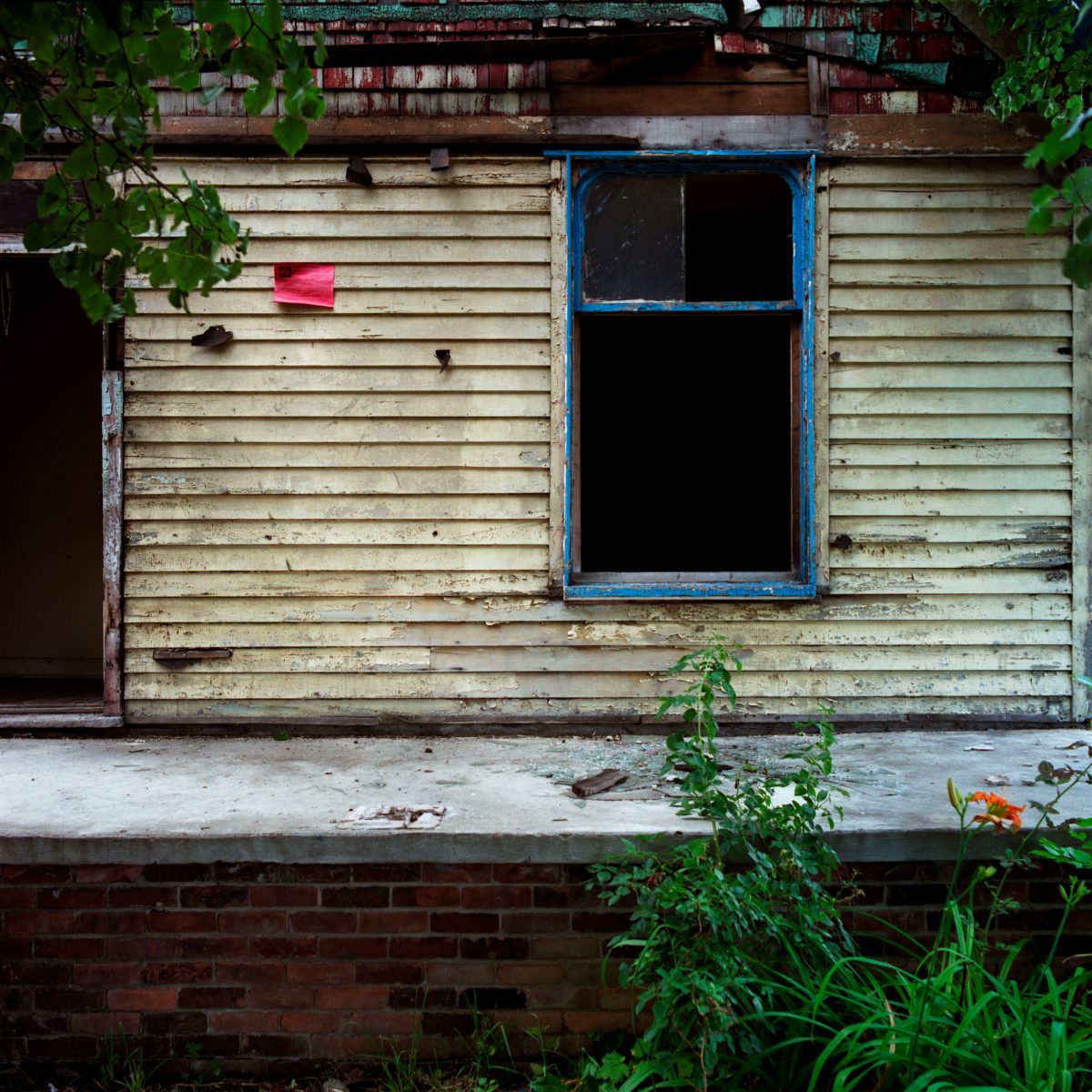
Over the years I’ve received plenty of email from former Detroiters. Recently one asked if I would visited his old street. On this very long block, only about a half dozen houses still stood, and only one appeared to be occupied, although it was in only marginally better condition than the unoccupied ones. This was one of the abandoned houses on the block. Painted an optimistic blue and yellow color combination, it, along with several others appeared to have been recently abandoned.

07180902_09.jpg

07180902_11.jpg

The abandoned house of the week

07150802_16.jpg

Holidays in Detroit and the downside of home ownership

12280901_04.jpg

The winter months in Michigan can be, and usually are, rather dreary. During our annual holiday visit to metro Detroit, along with the usual lack of sunshine, we had experienced the joy of pouring rain on Christmas day. Fun. Of course many can get used to such weather, and some will even claim to like it. For some reason many Michiganders complain all winter about snow.  Some even claim to prefer cold, damp weather to dry, cold weather. Many say, “well, at least it’s not snow!”, whenever it rains. Because soaking wet and cold is apparently so much better. Besides, snow is the only thing that covers up the brown grass, bushes, trees, and all of the mud that we get to experience a good four, or more, months of the year. But, if someone claims to like it, who am I to judge. Whatever makes you happy…

On the plus side, we enjoyed the usual things during our visit to metro Detroit. We spent time with family for holiday brunches, lunches, and dinners, as well as at a memorial for my grandmother who had recently passed away at the age of 98. We ate and drank at some of our favorite metro area restaurants and bars, and caught up with Friends. We also got to enjoy a Red Wing’s game, as we watched Detroit beat the Colorado Avalanche.

02070803_05.jpg

In the weeks leading up to our trip back to Detroit, we scheduled some drywall work to be done prior to our arrival. Over the eight years we’ve owned the home we’ve gutted the bathroom and kitchen. And by gutting, I mean we ripped out absolutely everything. In the bathroom we had to stand on floor joists as we laid new sub-flooring. In the kitchen we spent days ripping out old underlayment covered with nasty, worn out linoleum made to look like bricks. In both rooms everything went. The bathroom got a new cast iron tub, all new plumbing, ceramic floors and tub surround, as well as new insulation and drywall. The kitchen received all new cabinets, appliances (other than the fridge), and new oak, hardwood flooring. We also replaced insulation and drywall in two bedrooms, refinished all of the old, existing hardwood floors, as well as the new kitchen flooring, after ripping out disgusting, rental house carpeting. We patched holes in the foundation leftover from the cement forms. All of this was done by us, with the rare helping hand of a professional plumber or electrician. The only thing we didn’t play a major role in installing was the new furnace and air conditioners.

frosty_freeze.jpg

We did as much as possible ourselves because we didn’t want to take out a loan on our house. We didn’t believe that borrowing to fix up our rather modest ranch house was a smart move. Instead invested a lot of sweet equity, saved money in envelopes, and always paid all bills in full. The only exception was the twelve months, same as cash, credit card Ikea gave us. We did take advantage of a free year long loan. Of course we paid this off in full before the deadline. We had also purchased a house we could afford, even on one income should one of us lose our jobs. And this happened shortly after buying the house. My wife’s company was purchased by good ole’ Barry Diller, and was promptly laid off. I quit my job a few years later to try my hand at self-employment. We never had to stretch to afford the house. We were never house poor. We even paid extra on the measly $666 dollar mortgage each month in a effort to pay down the principal.

brush_park_1.jpg

While we did see hardship coming to the metro Detroit area, we didn’t have the renovations finished soon enough to sell when we new we should. And while we saw the writing on the wall, we certainly didn’t know it would get as bad as it did. Upon arriving home we worked hard on finishing the basement on our house, not really knowing the extent of the value lost in the previous six months. Sure we new it had lost value, but all told, it’s probably down 40% or more from it’s peak value. We were told by our real estate agent that we really needed to finish the basement, and so we were intent on it…until we realized what kind of shape we were in. Instead of throwing good money after bad, we began to think in terms of damage control. We may as well burn a pile of money on the driveway. Or perhaps put a pile of money on the driveway. At least that would generate some interest in the place.

Now I constantly read articles like:

Underwater Mortgages Hit 11.3 Million

Strategic Defaults

Debtor’s Dilemma: Pay the Mortgage or Walk Away

Strategic Non-Foreclosure Becomes Official Policy

Freddie Mac: “Potential Large Wave of Foreclosures”

brush_park_2.jpg

After learning that we were hopelessly under water, we dropped all tools and stopped work on the house. Strategic default, the new term for walking away even though you’re currently good on your payments, became a very appealing thought. We moved for work, and we can’t, and don’t want to, go back. Two years of paying the mortgage on even a cheap house (that we don’t live in) is a huge amount of money that is not saved for retirement (not that I ever expect to actually retire), or for the unthinkable potential need for a future debilitating illness, or for other future needs.  The money becomes locked away, in a sense, prevented from being used for more useful in the economy. Even though we bought way less than we could afford, never borrowed against it, and did all renovations ourselves, we are still faced with the possibility of owing $30,000, if we can even sell the house. This is perfectly plausible scenario even though we did everything “right”. And now the mortgage and banking industry wants me to think of my legal obligation as a moral obligation. The legal documents say it all. They state in the terms what we owe, what the collateral is, and what happens if we fail to pay. There’s no mention of heaven or hell, good or bad, right or wrong…only terms of agreement, and potential penalties should one side fail to uphold their end of the bargain.

brush_park_3.jpg

I don’t like the idea of walking away, and we’re doing what we can to avoid it. But at some point we need to, once again start saving the large sums of money needed for our future. The longer we hold off, the worse it becomes. Even the moral compass in my head is weak compared with pending problems of a future with too little saved. Which potential scenario is worse? The one were we walk away from a legal obligation with a bank? Or the moral obligation were we fail to take care of ourselves and our families, without relying on public handouts?

Who understands how Detroit needs to change?

01200602_09.jpg

After living and working for the past two years in D.C., and Denver, Colorado, coming back to the Detroit area is a real eye opener. What was once a maddening and frustrating place to live is now just plain depressing. With the real unemployment rate estimated to be near 20% for the state, and a ridiculously high 50% for the city of Detroit, still falling real estate values (down 40% in my area, and including our house), a crumbling infrastructure, financially strapped municipalities and school districts, and a apparent 50% commercial vacancy rate (just judging by what I can see..), the metro area seems to continually worsen. Each time I come back it seems that things couldn’t get worse (even though I don’t believe the area’s hit bottom yet), yet it always does.

Living in the area, one becomes accustomed to things residents in most other areas would never imagine. Roads that get complaints in other areas, metro Detroiters can only dream about. The public transit that others complain about being crowded or expensive, doesn’t even exist here. Same with the practically non-existent bike lanes. In Denver I ride my bike everywhere, only getting in the car to make longer distance trips. It’s something that I found to be unacceptably difficult here in southeastern Michigan. When I did make a trip by bicycle here, I was that strange person riding their bike on the road carrying grocery bags; presumably some poor sap who’d had his license taken away, or who didn’t have enough money for a car. In Denver, I’m just one of many using a bicycle for, believe it or not, transportation. Imagine that… Our neighbor here in metro Detroit would drive one block to buy cigarettes.

02050401_12.jpg

Driving around metro Detroit, it’s rare to see more than one or two people out getting exercise of any kind. In Denver it would be rare to see less than a dozen people exercising on my two mile ride to work. The weekly Wednesday night cruiser ride in Denver attracted up to 850 riders on a single night this past summer. Of course one has considering how many other options there are for socializing, entertainment, and outdoor activities. On any given week there will be rides, runs, creative Meetups, art openings, and just about anything else an active person under the age of 95 might enjoy. I know some of these things exist in metro Detroit, but the often long distance between them isn’t just inconvenient, but a huge waste of time, and dangerous when you consider all of the different highways one would have to travel to get from, say, Royal Oak to Ann Arbor on a weekday evening.

I have a point, beyond yet one more rant about the area. And the point is this: does anyone, who hasn’t left, or doesn’t want to leave, understand what needs to change about the metro area? Everyone knows that Michigan needs jobs. But I get the feeling that many who remain believe that those who left were weak, or quitters, or don’t like hard work. Those “quitters” who left the state, left because they had other opportunities…better opportunities, and most likely a chance at a better lifestyle. They didn’t leave because they weren’t up for a challenge. If an area offers jobs, and “opportunities” rooted in the past, and another area is embracing the future, why would I choose that challenge? If you can be on a better team, who wouldn’t choose it? Sure, some would rather be a big fish in a small pond, but this particular pond keeps getting smaller, and dirtier.

The point is often made that the area needs to bring back manufacturing jobs. I wouldn’t argue that manufacturing jobs…heck any jobs, would be good for the area. But maybe what the area really needs is to face reality. Metro Detroiters need to adapt to changing times. An education may be a good place for many to start. The claim is often made that metro Detroiters are scrappy, gritty, and hard working survivors. What mid-west city doesn’t believe that? The question is, what do survivors do when there old way of doing things doesn’t work anymore? They change their way of doing things. What did metro Detroit do when it was obvious the ways of the past were going to end soon? Nothing. Detroit made pretty much all of the same mistakes Pittsburgh has made, but unfortunately, unlike Pittsburgh, Detroit’s had very little of the fortuitous investments in other industries.

The question that should be asked, that often isn’t, is why have our young and highly educated citizens been leaving for decades? If the question was asked of every one of them, that has left the state, one would get a variety of answers from jobs to lifestyle. If you were to ask what it would take to get them to come back to metro Detroit, the answers would be equally varied, but I doubt many want to come back for traditional manufacturing jobs. Nor did many of them leave because of a lack of traditional manufacturing jobs. As a friend said the other night, “the state is a storefront. Why would anyone want to come in?”

01200602_03.jpg

When time Magazine offered advertising space for a campaign designed to draw this very demographic to southeastern Michigan, they asked five large agencies to answer the question, “If I’m young, talented and creative, and open to all kinds of opportunities, why Detroit?” Take a look at the ads… My personal opinion is that these ads do a better job of answering, “if I’m young, talented and creative, and open to all kinds of opportunities, why leave Detroit?” The ads do a great job of pointing out the disconnect that exists between those who have lived here a long time, and made lots of money here, and those of a younger more mobile generation. Outside of the suburbs of Detroit, who cares about Kid Rock? It really makes me wonder, if these people even understand what types of music the target demographic listens to? I can tell you, it’s not Kid Rock. Not a single one touched on any compelling reason for someone from outside of the area, to relocated here. Why are we even asking the old guard how to attract a new generation of creative, enthusiastic, and highly motivated entrepreneurs and creatives? L. Brooks Patterson still wants to stake metro Detroit’s future on the widening of I-75 from 8 Mile to M-59. MDOT and SEMCOG still seem to believe all transportation should be done in an automobile. No bikes, no trains, no walking…again that’s for the Third World poor, such as those in New York, Chicago, Atlanta, San Francisco, Portland, Denver, London, Brussels, and Toronto.

The morning after I arrived back in metro Detroit, we watched part of a round-table discussion on a local news show. The topic was, of course, about the area’s future. It appeared that not one of the participants was under the age of 60. Not that those over 60 have nothing to contribute. But asking only those who lived through a very different time period how we should proceed into the future misses the point entirely. We are in this situation because we (they) thought that what worked in the past would surely work in the future. If it was good enough then, it’s good enough now. Needless to say, watching did not make me feel very encouraged about the future of metro Detroit. Does anybody here, in any leadership position, with any power, or with money, get it yet? Do they understand the real issues? Do they know what it’s going to take to bring people back, or to make them stay?

Updated Map of Abandonment


View Detroit Photos in a larger map

Prayer Mission Baptist Church

06150202_07.jpg

When the wall to your church collapses onto the sidewalk and street, there’s no need to stop holding services. With a pile of bricks and an i-beam laying across the sidewalk and into the street, the name of the church, the pastor, and the service schedule was simply painted on a once interior wall. As singing and sounds of “praise God…” blared from speakers of a church across the street, pedestrians walking along the sidewalk either climbed over the pile or walked into the street without so much as a pause to consider the somewhat strange  situation. It is a testament to what can be considered “normal” in the city of Detroit.